How Do EV Charging Networks Work?
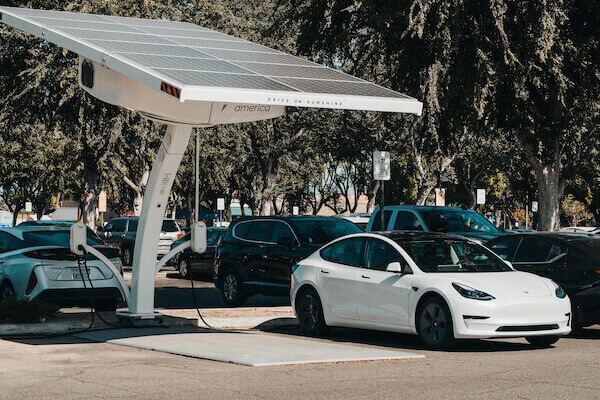
EV charging networks are the systems that let electric vehicles top up their batteries during everyday use. These networks are typically deployed as stations spread across a wide area. Each station provides the electrical energy users need to charge their EVs.
Charging networks offer different charging speeds. Fast charging stations can deliver high power and replenish a battery quickly. They typically supply DC (direct current) power and can fully charge a battery in roughly 30 minutes to one hour. Slow charging stations supply AC (alternating current) power and take longer to charge — these are most common at homes and workplaces, where a vehicle can be fully charged in a few hours.
Charging networks are usually placed in locations that are easy for users to reach. Within cities, you can find stations in parking lots, shopping centers and hotels. Stations are also placed along intercity routes, so EV drivers can recharge during long trips and travel without range anxiety.
Charging networks can also integrate with a payment system. When users tap into a charging service, they can pay through different methods — credit cards, mobile apps, or in some cases subscription or membership systems.
EV charging networks enable the spread of sustainable transportation and the rise of EV adoption. EV owners need reliable, accessible charging networks both in their daily routine and for long trips. That is why developing and expanding the charging infrastructure is a critical factor for mass EV adoption.
For deeper background on EV charging networks, see the relevant Wikipedia pages:
Put this article to work.
Let us show you how to run the flows described above on your own charging network.
Request Demo