Plug & Charge: The Driver Plugs In, the Invoice Writes Itself
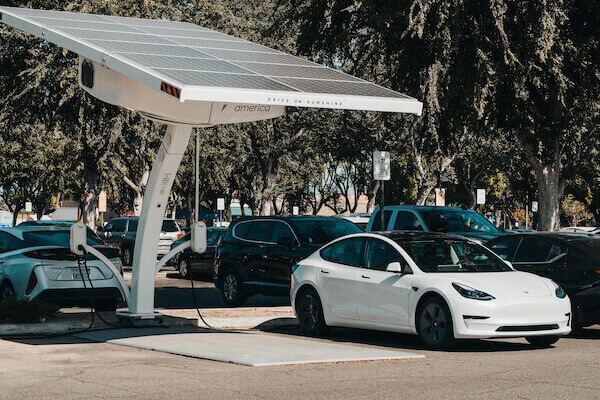
Start with the picture. A driver pulls up to a station. Parks the car. Picks up the cable, opens the connector flap, plugs it in. Doesn't reach for a card. Doesn't open a phone or hunt for an app. Doesn't scan a QR code. Doesn't enter a password.
Just waits. The cable recognizes the car, the car recognizes the station, the station recognizes the cloud. A few seconds later, charging starts. When the session ends, the cable is unplugged. The invoice arrives in the inbox the next day.
This is the Plug & Charge (PnC) experience — and it represents the highest level of maturity that EV charging operations have reached.
The Core Promise of PnC
PnC can be summed up in one sentence: moving authentication between driver and infrastructure into the cable itself.
In the traditional flow, the driver has to "talk" to three separate parties:
- The vehicle (by plugging in the cable)
- The operator (with a card, app or QR)
- The payment system (card details, 3D Secure, etc.)
PnC merges these three steps. A digital certificate stored inside the vehicle enables a secure identity exchange between the station and the car the moment the cable is connected. The driver doesn't need to take any extra action.
What Happens Behind the Curtain?
A PnC session goes through these high-level stages:
- Recognition: when the cable is plugged in, the station retrieves the digital identity from the car.
- Verification: the station checks the identity's validity with the authorized certificate authorities in the cloud.
- Authorization: a profile linked to the driver's account is found; tariff and payment method are pulled in automatically.
- Charging starts: once authorization is confirmed, the session starts; records are kept throughout.
- Billing: when the session closes, payment is taken automatically and a digital invoice is issued.
The whole chain typically completes in under 10 seconds. From the driver's perspective, it looks like "cable plugged in, charging started."
From the Operator's Perspective
PnC delivers three important wins for the operator:
1. Brand differentiation in the driver experience. A charging session that begins without a card, app or QR creates a "premium" feel. Your operator brand positions as "modern" and "effortless."
2. Friction points disappear. The driver who can't open the app at the stand, who can't read the card during a connectivity outage, who can't scan the QR — all of them are made irrelevant by PnC. This directly improves your utilization rates.
3. Payment success rates rise. A vehicle connected via PnC has an authorized account already in place. Errors at the manual payment step (3D Secure failures, wrong card details, dropped connections) disappear.
From the Driver's Perspective
For drivers, PnC makes the biggest difference in three scenarios:
- In cold weather, when you don't want to use a phone with gloves on.
- When you're in a rush — when you want to start without waiting a single second.
- When you're on an unfamiliar network — no app downloads, account creation, or "do they accept this card?" anxiety.
PnC moves the EV experience closer to the "smartphone generation." Plugged in, ran, done.
Identity and Security
At the core of PnC is certificate-based authentication. This isn't card number or password sharing; it's mutual cryptographic verification.
This structure provides the following guarantees:
- No identity can be forged. An unauthorized vehicle cannot start a PnC session.
- Certificates can be revoked. A stolen vehicle, or one with a closed account, is taken offline instantly.
- Data flow is encrypted. Communication between vehicle, station and cloud goes through a secure channel.
For the operator, this significantly lowers the risk of fraud.
Adoption — What to Expect
PnC is spreading quickly across Europe and North America today. In Türkiye it is still early; but in the near future it is expected both to become a standard feature in next-generation EVs and for regulators to make room for it.
The operator who prepares now captures premium positioning in the first wave. A PnC-enabled station network becomes "a marker of quality" for drivers.
Echargo's Approach
Echargo manages PnC certificate requests and the verification flow at the core of the platform. For operators, "turning PnC on" isn't a separate technology integration project — it's a configuration step on top of the existing platform.
Certificate requests, authentication flow, session start — all are tracked in the admin panel. When an operator enables PnC, audit trails are kept and the certificate lifecycle is managed from day one.
Plug & Charge isn't a feature; it is the new standard for the driver experience. The operator who prepares today positions as "the preferred network" in tomorrow's scale market.
Put this article to work.
Let us show you how to run the flows described above on your own charging network.
Request Demo